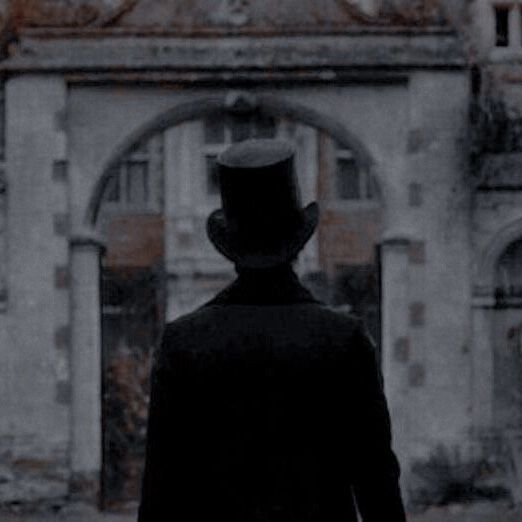
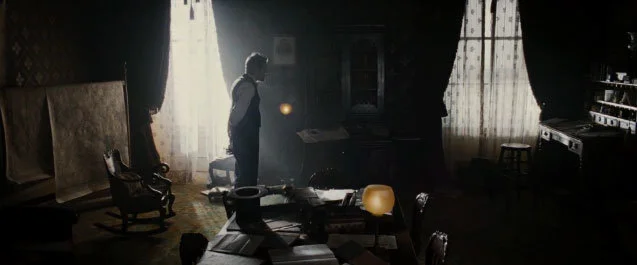
Mercury Veil Header

THE MERCURY VEIL

A Visual Treatment
The Mad Hatter Origin Story
A dark psychological story inspired by the real mercury-poisoned hatters of 19th-century London —
and the madness that would later haunt Lewis Carroll's pages.
Written by AYLA DEMIRCI

Logline

In 1827 London, a reclusive milk woman's tentative connection with a mercury-poisoned hatter becomes a slow-motion tragedy of contamination and madness—where every act of compassion brings her closer to death, and his deteriorating mind transforms love into murder.

Historical Context

The phrase "mad as a hatter" isn't just folklore—it's documented medical history. Between the 1820s and 1940s, hatters routinely died from mercury poisoning, their minds deteriorating as their bodies absorbed the poison used to cure felt. The symptoms were horrifying: tremors, tooth loss, personality changes, hallucinations, and eventually complete mental collapse.
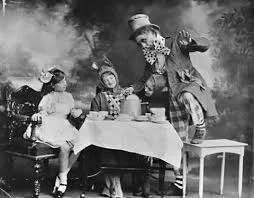
Mad Hatter Tea Party
CULTURAL ICON: The Mad Hatter from Alice in Wonderland (1865) wasn't pure fantasy—Lewis Carroll based the character on real hatters he observed. The tea party scene captures the erratic behavior, nonsensical speech, and social dysfunction that mercury poisoning caused. "Why is a raven like a writing desk?" The Mad Hatter can't finish his riddles. His mind doesn't work anymore.
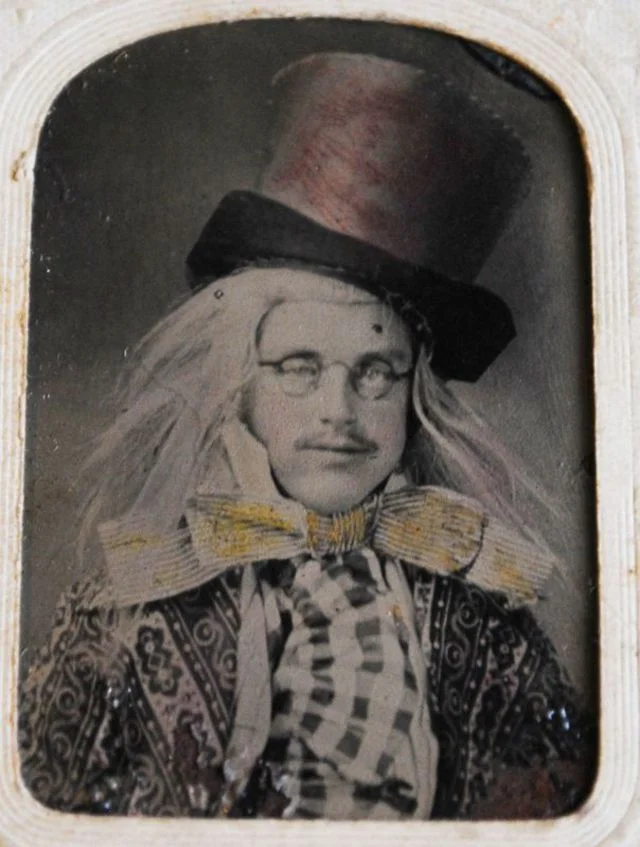
Historical Hatter
THE REAL TRAGEDY: Historical photograph of an actual hatter suffering from mercury poisoning (19th century). Notice the vacant stare, the deteriorated appearance, the elaborate period costume now worn by a dying man. This is what mercury did: it turned skilled craftsmen into ghosts. The colorized bow tie and fancy clothes make the horror worse—he's dressed for society but barely human anymore.
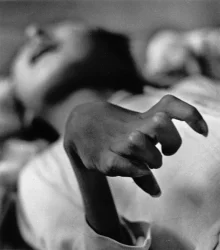
Trembling Hands
THE HATTERS' SHAKES: Mercury poisoning's most visible symptom—uncontrollable tremors called "the hatters' shakes." Hands that once threaded perfect needles eventually couldn't hold a cup. This trembling is Malcolm's death clock, visible in every scene, worsening week by week. By Act Three, he can barely grasp objects. The tremors started as imperceptible quivers and ended as violent spasms.
THE MERCURY VEIL takes this historical reality and transforms it into intimate tragedy. This isn't a film about statistics or industrial horror—it's about two people: Clara, who brings milk twice a week, and Malcolm, who makes perfect hats and dies doing it. The mercury poisoning isn't background; it's the third character, invisible and inevitable, contaminating everything it touches.

The World of the Film

1827 London: Georgian Gothic Industrial Nightmare

THE MERCURY VEIL inhabits two distinct worlds that mirror our protagonists' isolation. Late Georgian London is rendered as a Gothic industrial hellscape—fog-choked streets lit by dying gas lamps, cobblestones slick with rain and waste, buildings blackened by coal smoke, and air thick with invisible poison.
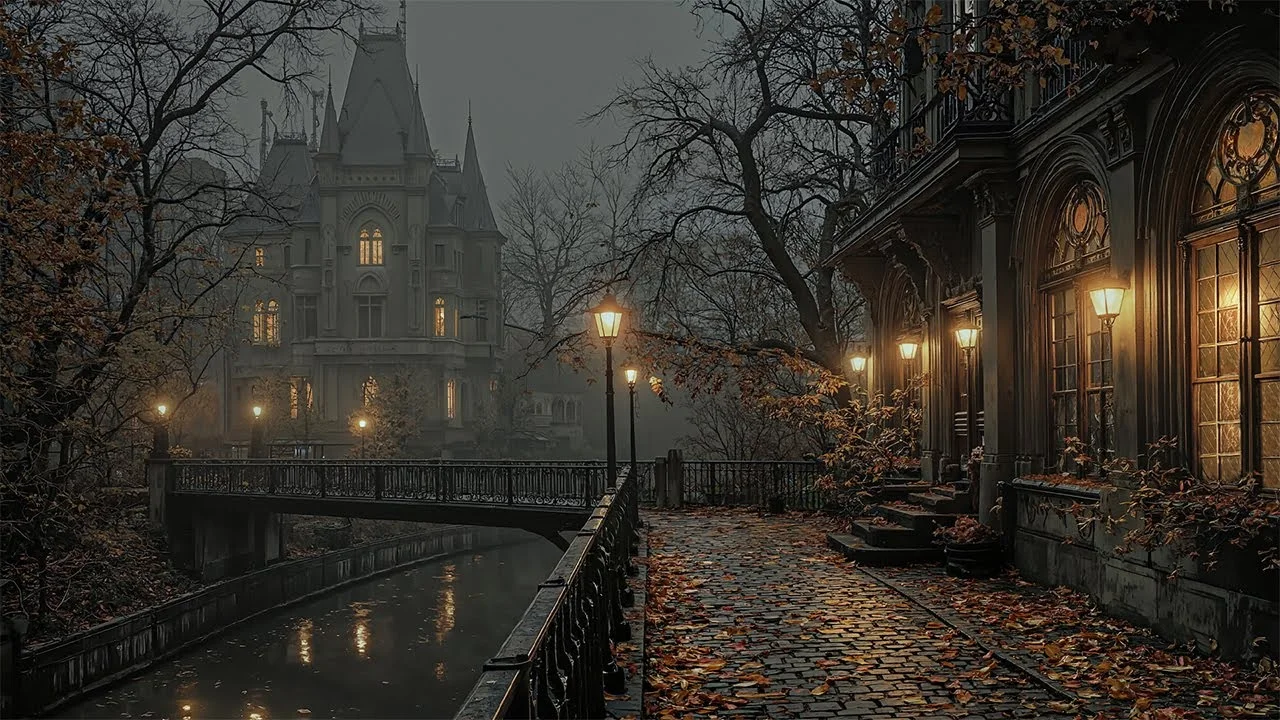
London Gothic
LONDON'S GOTHIC HEART: Fog-shrouded canals, gas lamps glowing through mist, Gothic architecture looming like monuments to industrial ambition.

The Countryside: Clara's Fortress of Solitude

In contrast, Clara's world is all pastoral simplicity—rolling green hills, morning mist, stone cottages unchanged for centuries, and white linens billowing in clean wind. But this isn't idyllic; it's isolation. Clara chose this life deliberately. After the death of her parents, she retreated to the countryside, turning her back on London society. She lives alone, works alone, speaks to almost no one. Her twice-weekly trips to London are purely transactional—deliver milk, collect payment, leave. She doesn't linger. She doesn't socialize. The countryside is beautiful, but it's also her prison.
Countryside
CLARA'S PASTORAL PRISON: Morning mist rolling over Yorkshire hills. Beautiful. Safe. Lonely.

Visual Language

The Workshop as Cathedral

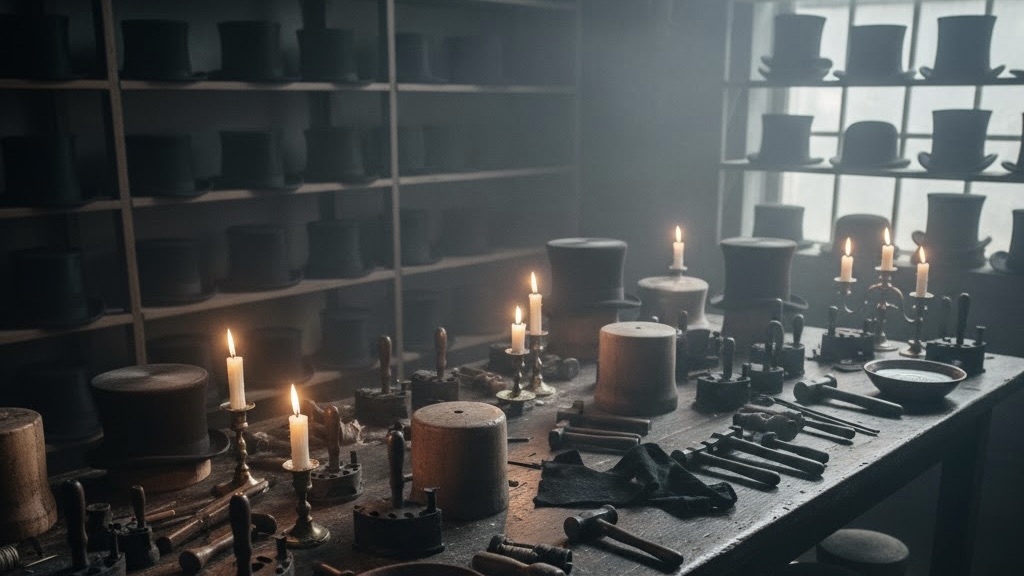
Malcolm's workshop is the heart of the film—a Gothic cathedral of craft and death. High arched windows allow shafts of dusty light. Wooden hat forms line the walls like silent congregation. The worktable is an altar where Malcolm performs his daily ritual: dipping, brushing, shaping. The mercury solution sits in a ceramic bowl—liquid silver, mesmerizing and deadly. We frame the workshop like a Vermeer painting—shafts of window light, deep shadows, Malcolm's figure small against vast emptiness.
Workshop
THE CATHEDRAL OF POISON: Malcolm's workshop framed by Gothic arched windows, light streaming through chemical vapor. This is Malcolm's church, his prison, his tomb. The windows frame him like a religious painting—a craftsman at prayer, worshipping at the altar of perfection. Notice how small he is against the vast space, how the light catches the floating particles of felt and mercury vapor. Everything is beautiful. Everything is death.
Silhouette
MALCOLM'S ISOLATION: Silhouette against window, backlit by dawn, bent over workbench. This is how we introduce Malcolm—a shadow, already more ghost than man. He rises before dawn and works until dark. The world outside continues, but he exists in this liminal space, this cathedral of craft and contamination.
Interior
THE WORKSPACE OF OBSESSION: Candlelit workshop interior—wooden hat forms, tools arranged with ritual precision, hats in various stages of completion. Malcolm's workspace is immaculate despite the poison. Everything has its place. This is a man trying to maintain control as his mind unravels.

Color Palette: Death in Beautiful Colors

The film's color palette tells the story of contamination. Clara's world is white, cream, pale green—morning mist, milk, clean linen, fresh grass. Malcolm's world is dark wood, candlelight amber, and the ominous orange-brown of mercury stains. As Clara becomes contaminated, orange begins to seep into her world—orange stains on her apron, orange fingernails, orange-tinted skin. By Act Three, Clara's white world has been infected with Malcolm's orange death.

The Tools of Death

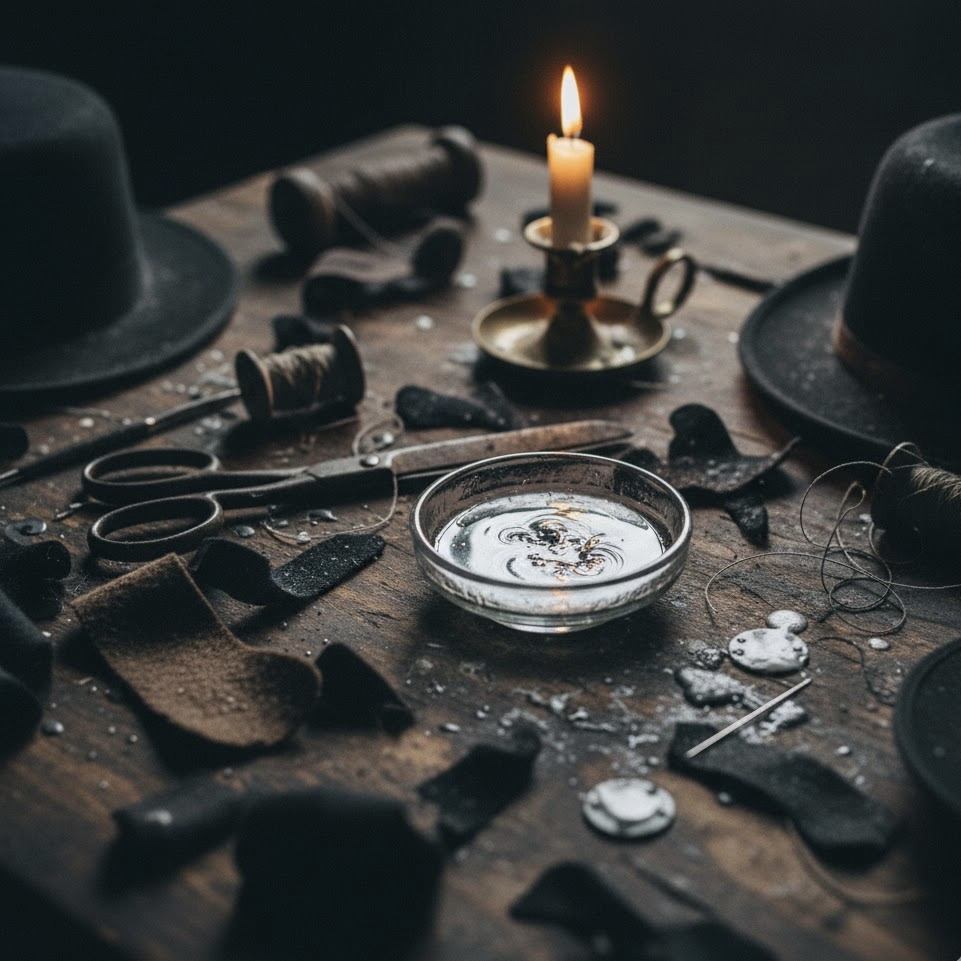
We return obsessively to Malcolm's tools—scissors, brushes, needles, thread spools, and the mercury solution itself. These aren't just props; they're characters. The mercury solution is particularly important—we frame it like it's alive, catching the light, rippling with Malcolm's trembling hands, gleaming like liquid silver. It's beautiful. That's the horror.
Tools
INSTRUMENTS OF PERFECTION: The worktable by candlelight—scissors, thread spools, finished hats arranged with ritual precision, and the mercury solution gleaming like liquid glass in its ceramic bowl. Every tool is an instrument of both craft and death. The scissors that cut felt. The brush that applies poison. The needle that Malcolm's trembling fingers can barely thread. These tools are Malcolm's relationship with the world—he creates beautiful things, and they kill him for it.
Malcolm Working Original
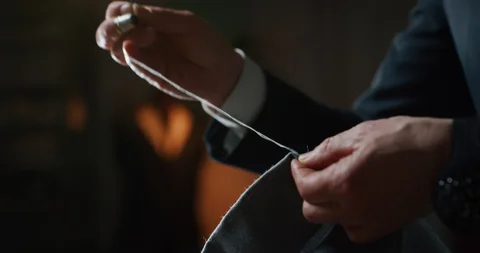
THE RITUAL OF DEATH: Malcolm at his worktable, hands steady (for now), threading a needle. The bowl of mercury sits before him. Notice the orange stains already present on the table, the felt, his fingernails. This is early Act One—Malcolm is still functional, still precise. But the poison is already in him. The tremors will come. They always come.
Collection of Hats
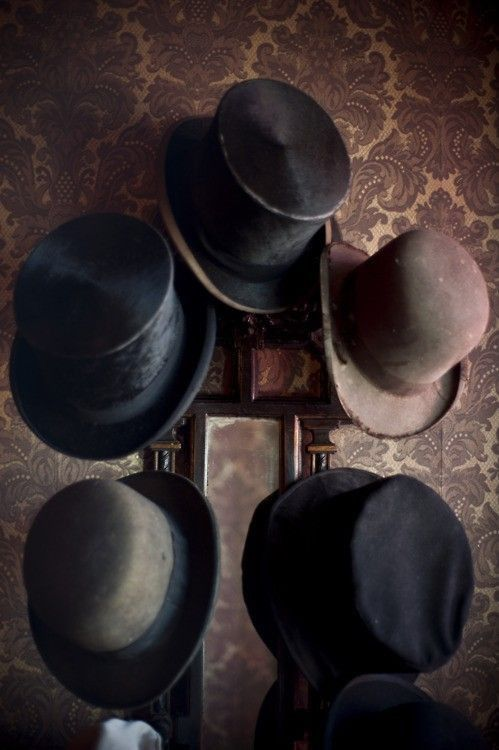
THE FRUITS OF POISON: Malcolm's creations—beautiful, perfect hats arranged like trophies. Each one represents hours of meticulous craft, each one soaked in mercury. These hats will be worn by London's elite, symbols of status and refinement. But they're also monuments to Malcolm's slow death. Every stitch, every brush stroke, every moment of creation brings him closer to the end.

The Characters

MALCOLM ROSS • The Hatter
Age: Early 30s
Physical Description: Gaunt, hollow-eyed, dark wavy hair. Carved from shadows and candlelight. Orange stains permanent under fingernails. Dark waistcoat, rolled sleeves—work clothes that have absorbed years of chemicals.

Personality (Act One): Quiet, precise, obsessive about his craft. Malcolm doesn't talk much, but when he does, he's articulate, thoughtful. He's not mad yet—just isolated. He knows what the mercury is doing to him, but what's the alternative? This is the only trade he knows.

Physical Deterioration:
Act One: Trembling hands, gaunt but functional, mentally present
Act Two: Orange stains spreading up his wrists, memory lapses, paranoia, hallucinations beginning
Act Three: Severely gaunt and hollow, matted hair, eyes wild, barely recognizable as human

Mental Deterioration:
Act One: Forgets small things—where he placed tools, whether Clara visited yesterday or last week
Act Two: Paranoia—believes Cheshire is cheating him, thinks Clara is stealing from him
Act Three: Complete psychotic break—doesn't recognize Clara, believes she's a demon sent to torment him

Key Visual Motif: His hands. Threading needles, dipping in mercury, trembling, steadying, trembling worse, finally silver-stained and useless. His hands tell the story of his decline. We see them in close-up constantly—working, shaking, steadying, failing. By Act Three, Malcolm can barely hold objects. The craftsman's hands have become claws.
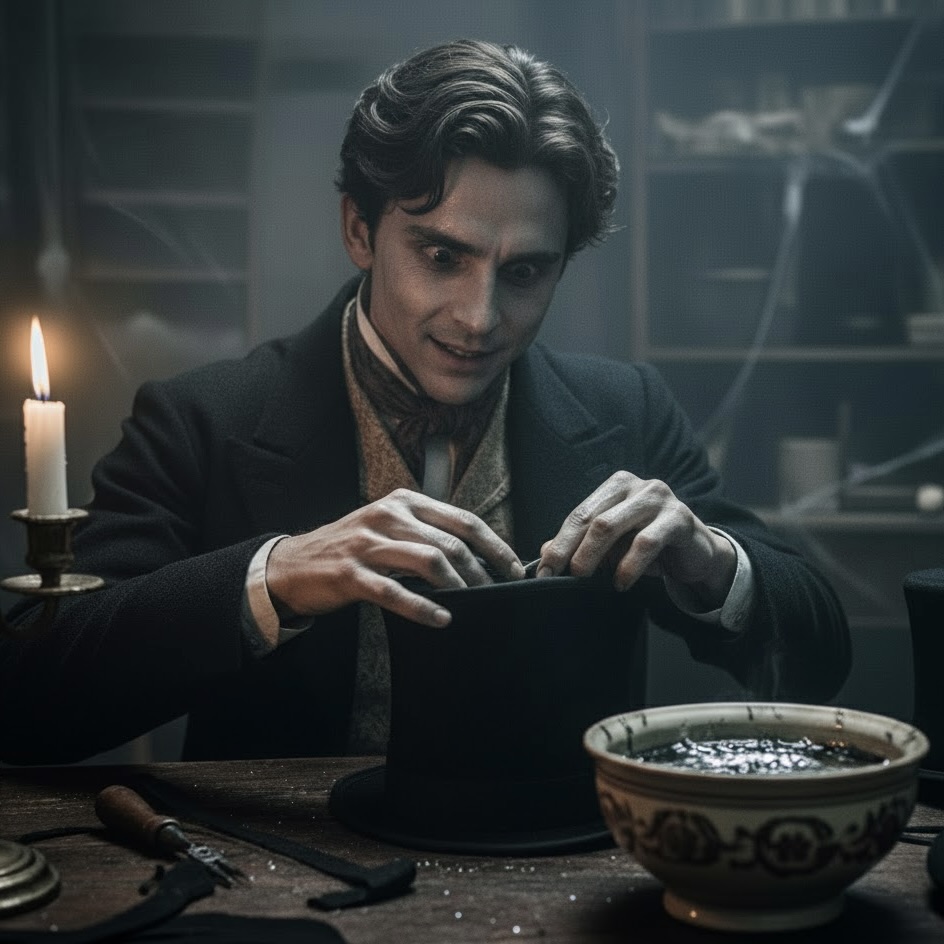
Malcolm Working
MALCOLM AT WORK: By candlelight in his dark workshop, Malcolm threads a needle with trembling hands, the bowl of mercury solution before him on the worn table. This is the film's visual thesis: beauty and death intertwined. Notice his intense focus, the period costume (dark coat, cravat), the gaunt face lit by a single candle. His hands—always his hands—are the center of the frame. Threading, dipping, trembling. This is the man Clara will try to save. This is the man mercury is killing. The bowl of mercury catches the candlelight like liquid glass—beautiful, mesmerizing, deadly. Every breath in this workshop is contamination. Every moment at this table is slow death. This image captures the tragedy: Malcolm is creating something beautiful, and it's killing him, and he knows it, and he can't stop.
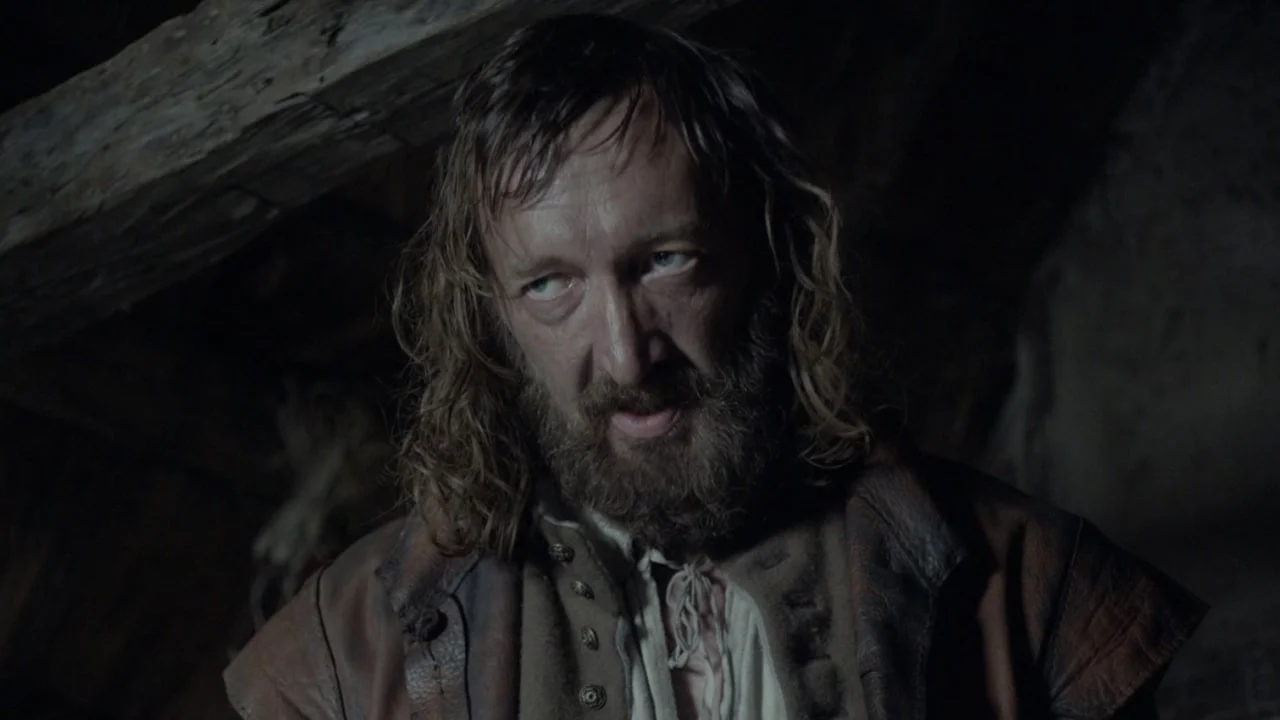
Malcolm's Remorse
MOMENTS OF CLARITY: Between the tremors and the confusion, there are brief moments when Malcolm realizes what he's doing to himself—and to Clara. The weight of this knowledge is crushing. He's sorry. He's always sorry. But he cannot stop. The craft owns him completely.
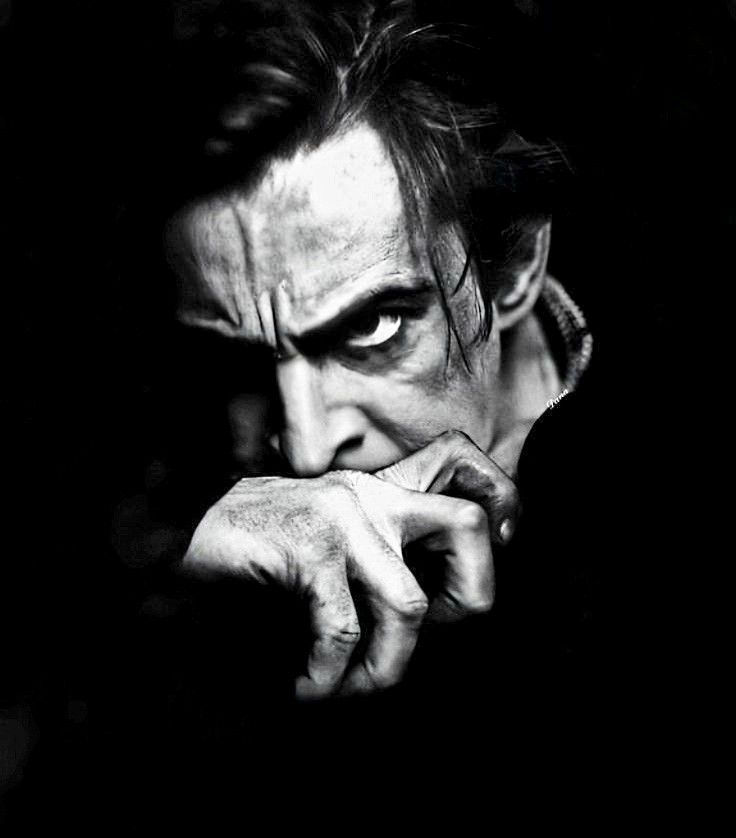
Malcolm's Madness
THE PRICE OF PERFECTION: The toll of mercury poisoning becomes visible—trembling hands, hollow eyes, the slow transformation from craftsman to victim. Malcolm's dedication to his art is both his greatest strength and his fatal flaw. He cannot stop creating, even as the poison destroys him from within. This is the hatmaker's paradox: the very thing that gives his life meaning is the thing that takes it away.
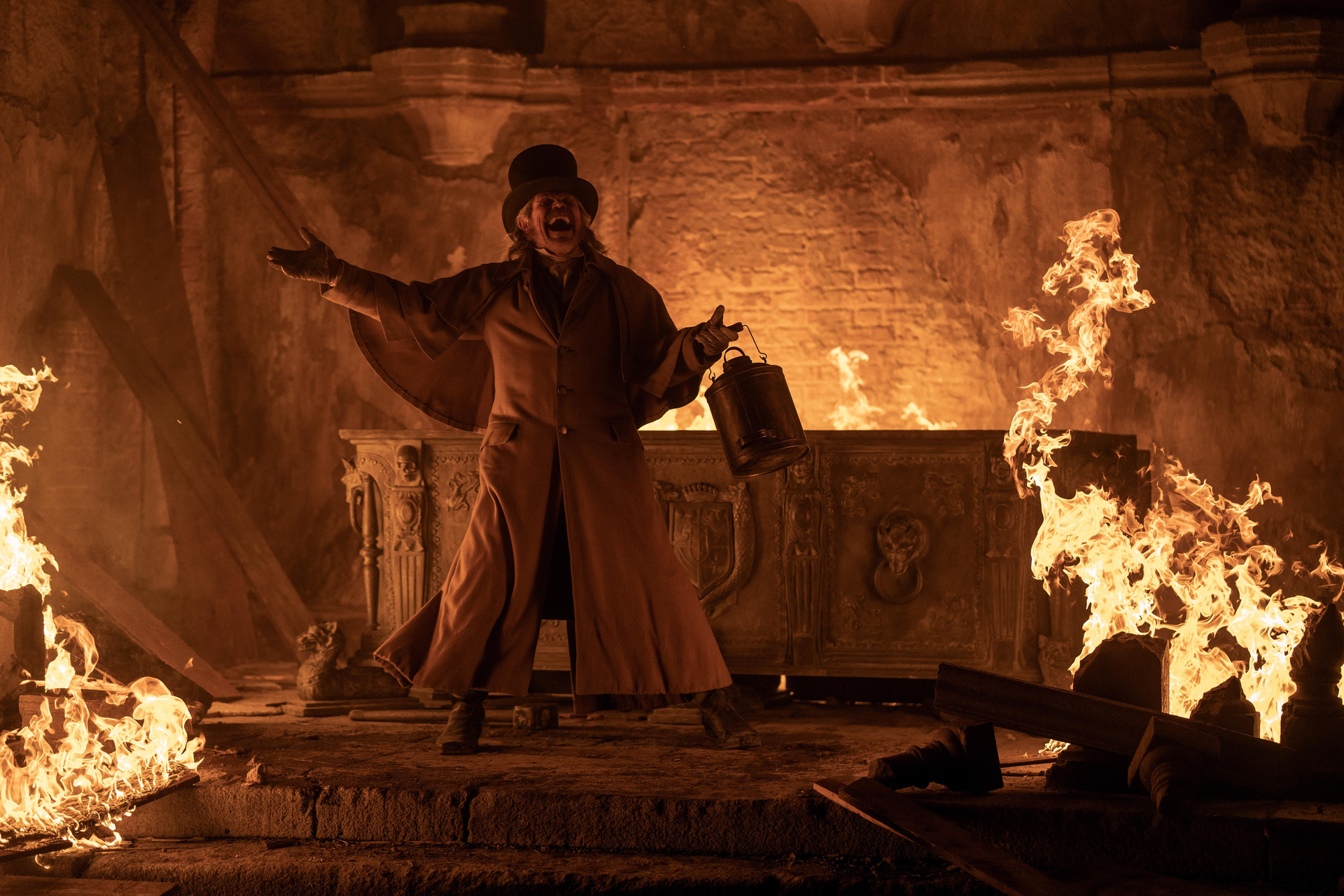
Malcolm at Work in Candlelit Workshop
THE WORKSHOP BY CANDLELIGHT: Malcolm's workspace where beauty and death converge. The single candle illuminates the tools of his craft and the bowl of mercury that will ultimately destroy him. This intimate workspace represents the tragic heart of the film—a man creating exquisite art while slowly poisoning himself with every breath.
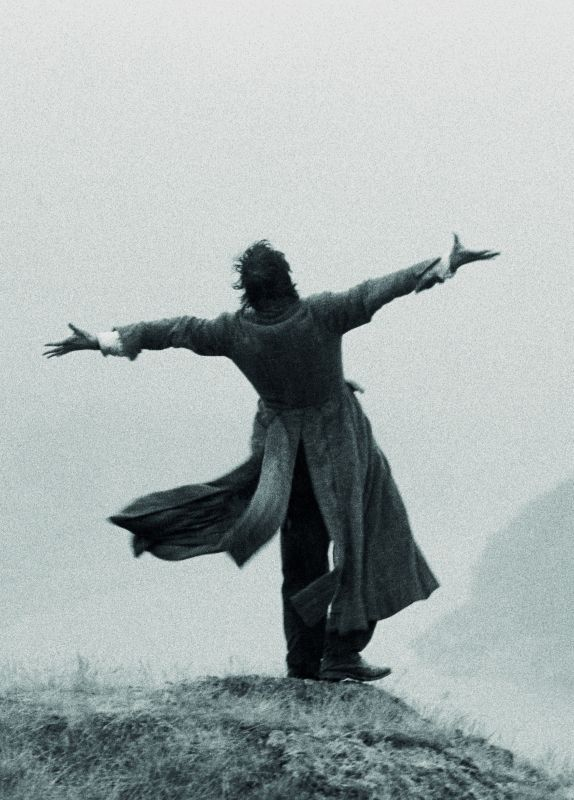
Malcolm's Complete Madness
ACT THREE: THE FINAL STAGE: Malcolm transformed beyond recognition—wild eyes, matted hair, gaunt and hollow. The man who once threaded perfect needles can barely hold objects. The craftsman is gone. Only the shell remains, animated by mercury-induced psychosis. He doesn't recognize Clara anymore. He believes she's a demon, come to torment him. This is mercury's final gift: the complete erasure of everything he was.
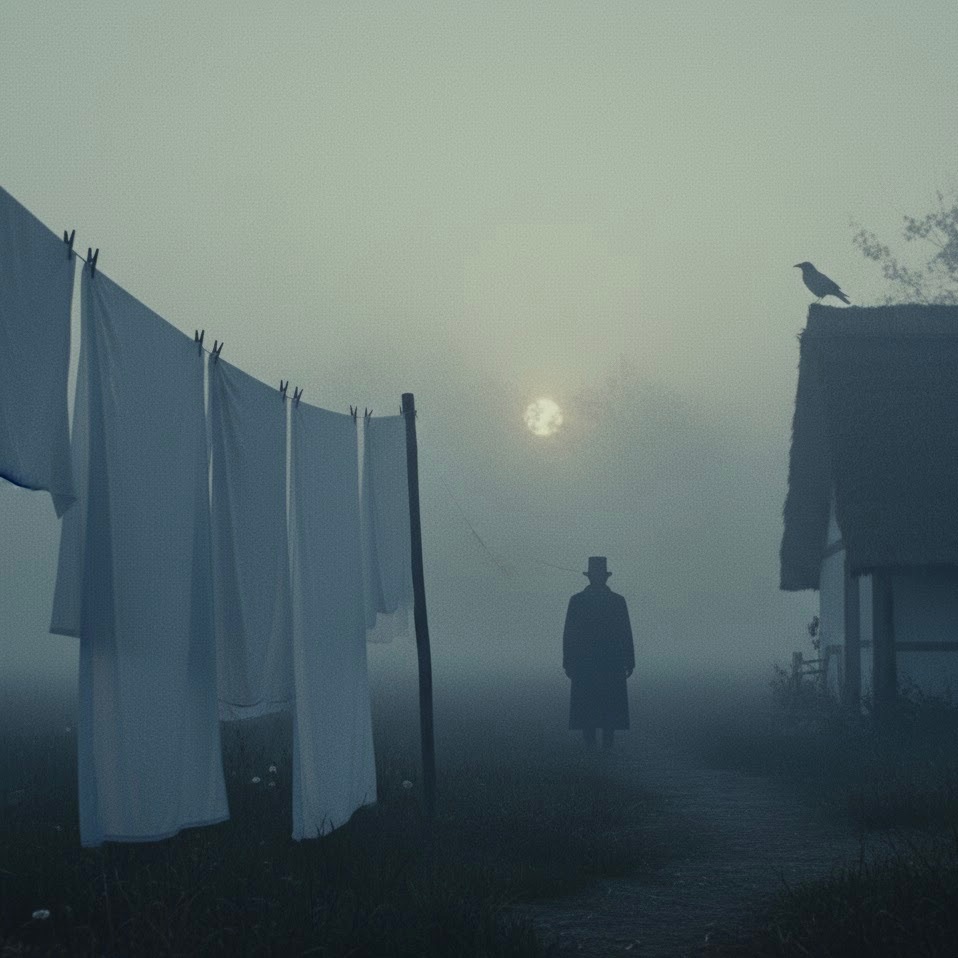
Malcolm's Deterioration
THE DESCENT INTO MADNESS: Malcolm in his later stages—the mercury has taken its toll. His eyes show the haunting vacancy of a mind being destroyed from within. This is what awaits at the end of the mercury road: not just death, but the complete dissolution of self.
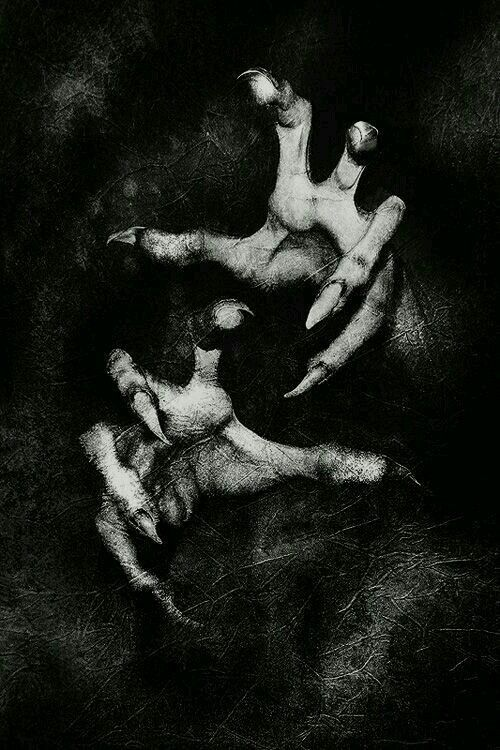
Malcolm's Hands
THE CRAFTSMAN'S HANDS HAVE BECOME CLAWS: Malcolm's hands—once capable of threading the finest needles with precision—are now twisted, trembling, silver-stained ruins. These hands tell the complete story of mercury's destruction. From delicate artistry to barely functional appendages. The tremors are constant now. He can no longer create. The man who defined himself by his craft has lost the very thing that made him whole.
CLARA STONE • The Milk Woman
Age: 26
Physical Description: Strong build, practical beauty, determined eyes. Blonde hair, blue eyes, natural elegance. Not delicate—capable. Her costume tells the story of her contamination.

Occupation: Clara is a milk woman, but also makes cheese and tends to her small farm. Her work is physical, constant, ritualistic. She delivers milk and cheese to London twice weekly—Tuesdays and Fridays—bringing purity into a poisoned city.

Costume Evolution:
Act One: Immaculate white blouse, brown leather corset, long skirt—everything clean, pressed, perfect
Act Two: Orange stains appear on her apron, dirt under fingernails she can't scrub away. The black felt flower Malcolm gives her, pinned over her heart
Act Three: Still maintaining her routine, still hanging linens, but the contamination is visible—orange-tinged skin, trembling hands

Character Arc: Clara's tragedy is that her capacity for compassion becomes her fatal flaw. She sees Malcolm suffering and cannot look away. Every visit brings her closer to death, and she knows it, and she comes anyway.

Clara Portrait
CASTING REFERENCE: Clara is not fragile—she's practical, competent, self-reliant. But there's softness underneath. Capacity for tenderness. This is what kills her. She sees Malcolm suffering and she cannot turn away. The film needs an actress who can convey both strength and vulnerability—someone who makes Clara's choice to stay feel inevitable rather than foolish.

Clara in Period Costume
CLARA'S VISUAL IDENTITY: Blonde hair, white off-shoulder blouse, brown leather corset bodice—this is Clara's working costume in the city. Notice the natural beauty, the practical elegance, the leather corset that speaks to her station as a working woman. This is how Malcolm first sees her: beautiful but approachable, elegant but not fragile. Clara in white—purity that will become contamination. The costume is historically accurate for an 1827 working woman who delivers goods to the city: functional, modest, but with a touch of femininity in the off-shoulder style common to the era.
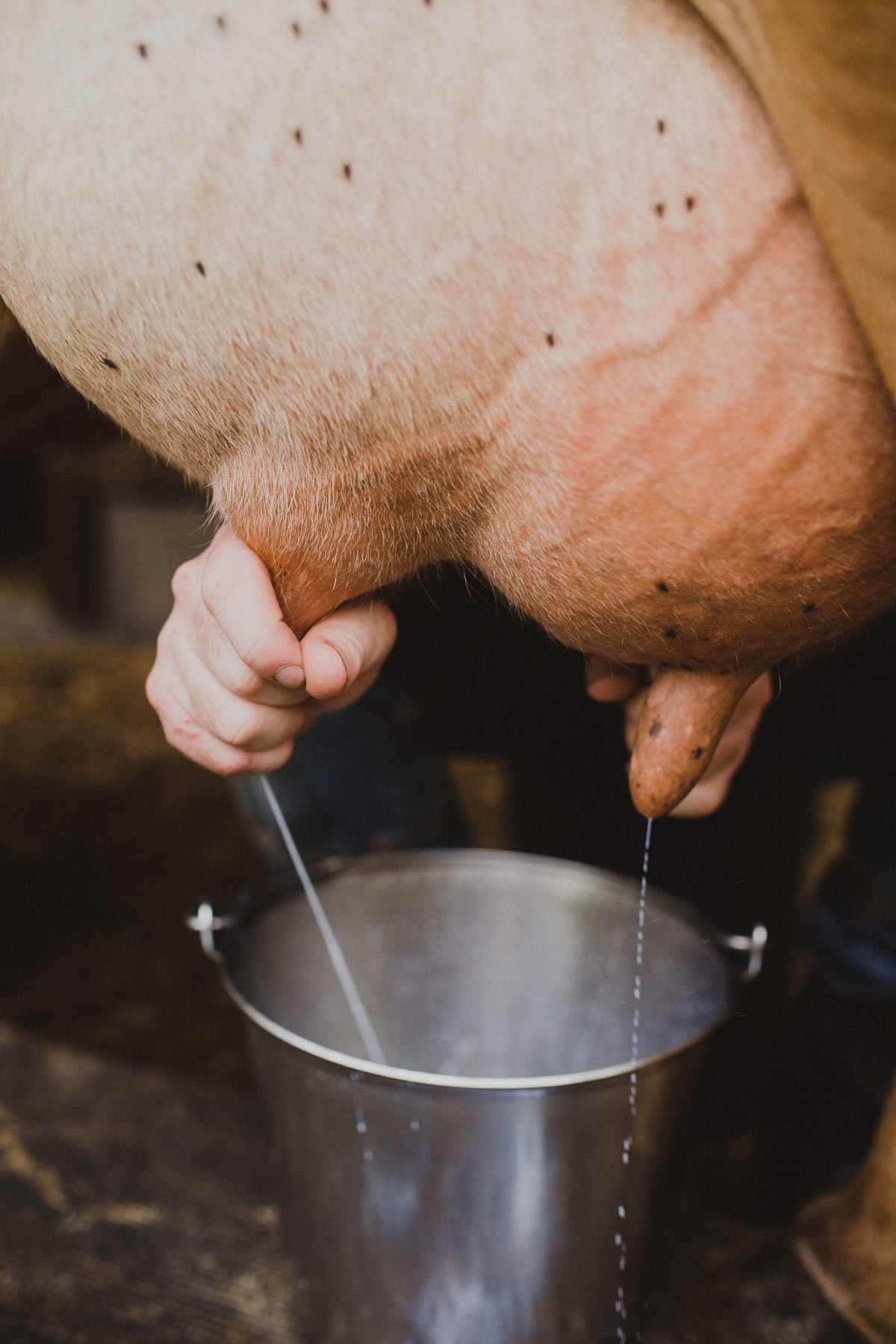
Cheese Making
CLARA'S CRAFT: Hands working cheese curds in wooden bowls, cream-colored workspace, period costume visible—white billowing sleeves, wooden implements, rounds of cheese in various stages. This is Clara's world: tactile, productive, life-giving. Her hands create nourishment. Malcolm's hands create poison. The parallel is devastating. Notice the white—cheese, milk, cream, her sleeves—everything about Clara is pale, pure, clean. Until it isn't.

Clara hanging linens
CLARA'S ROUTINE AS ARMOR: Hanging white linens before her thatched cottage. The linens are her symbol—purity, order, cleanliness. Every Tuesday and Friday, before she leaves for London, Clara hangs clean linens. It's ritual, it's routine, it's control. In Act Three, when Clara is dying, she still hangs linens. But now they're stained. The ritual continues, but the purity is gone.

Clara at her cart in foggy London
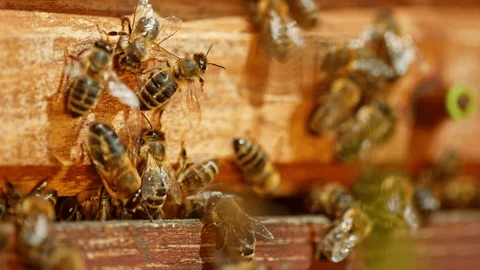
CLARA'S WORK IN THE CITY: Woman at honey/milk cart in fog-shrouded London street. This is Clara's interface with the poisoned city—her cart, her product, her livelihood. Twice a week, she brings purity to pollution. Milk, cheese, honey—things that nourish, things that are clean. Malcolm is drawn to her not just because she's beautiful, but because she represents everything his workshop isn't: life, health, cleanliness.
CHESHIRE • The Fur Merchant
Age: 40s
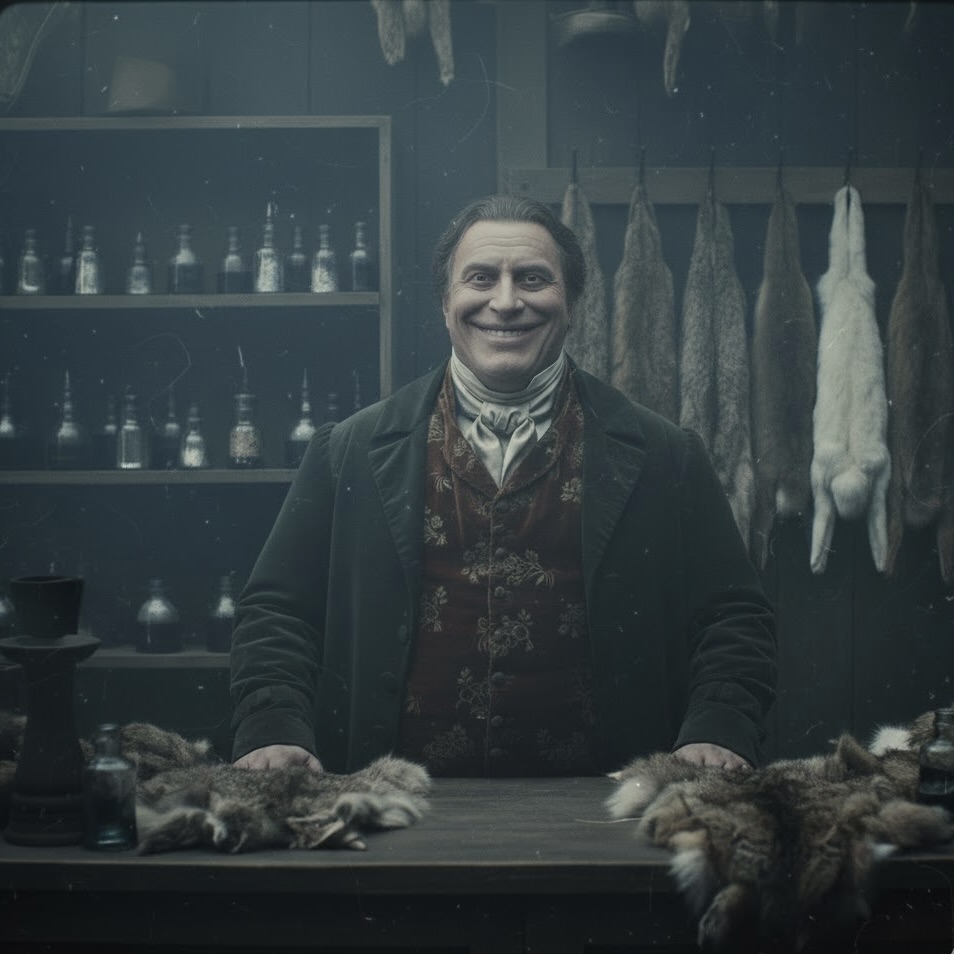
Physical Description: Plump, jovial, well-dressed. A merchant who has done well for himself.

Personality: Pleasant, jovial, helpful. Cheshire is genuinely nice to Malcolm. He's not twirling a mustache or counting coins with glee. He's just a businessman doing business. When Malcolm's hands start shaking too badly to count money, Cheshire counts it for him. When Malcolm forgets their transaction, Cheshire reminds him gently. He's not evil. He's complicit.

Thematic Function: Cheshire represents systemic complicity. He's not the villain—the system is the villain. Cheshire is just a man making a living. He sells fur to hatters. Hatters need mercury to cure felt. If Cheshire didn't sell it, someone else would. He's pleasant, friendly, helpful. He sells poison with a smile and sleeps well at night. That's the horror—not active malice, but passive complicity. Cheshire knows what mercury does. Everyone knows. But the industry continues because individual suffering is someone else's problem.
Cheshire
CHESHIRE'S ETERNAL SMILE: Fur merchant behind his stall, smiling pleasantly. He sells death like he's selling flowers. Notice how friendly he looks, how approachable. Cheshire isn't a villain in the traditional sense—he's just a businessman. But every transaction with Malcolm is a transaction of death. The fur needs to be cured. The cure requires mercury. Malcolm needs the fur. The cycle continues. Cheshire's smile never wavers.
Malcolm at Fur Market
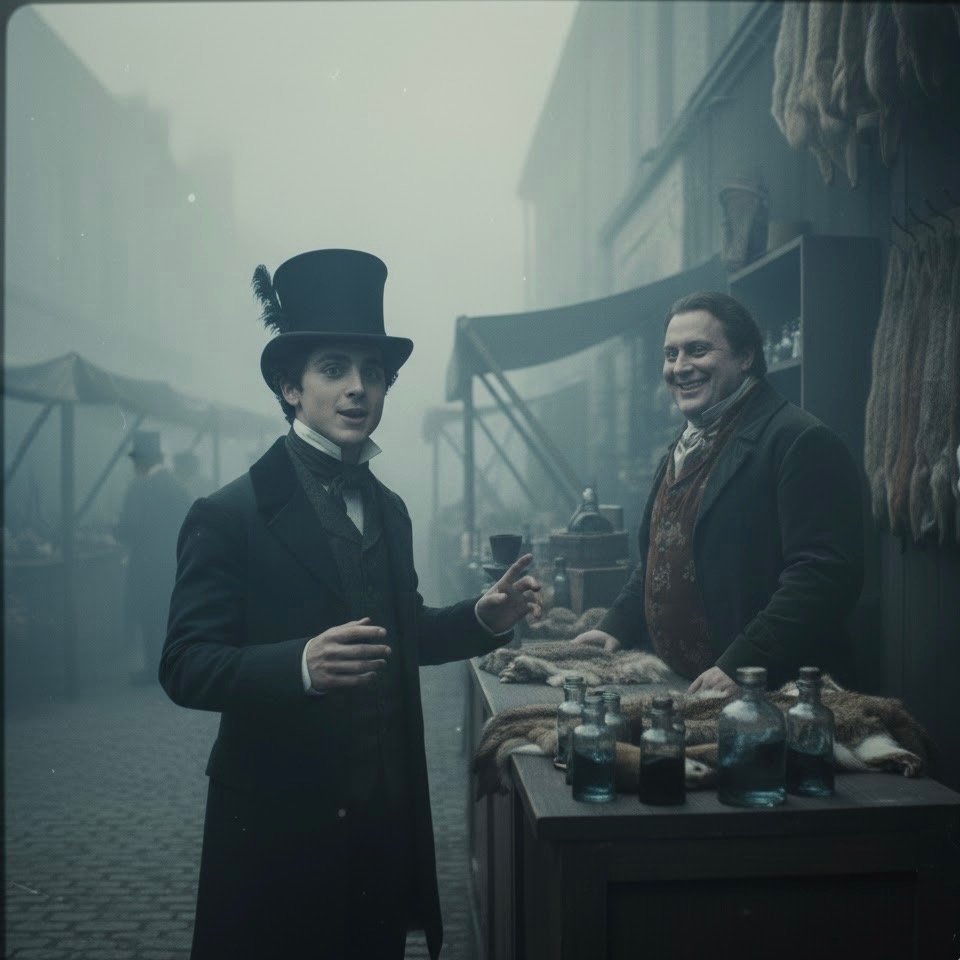
THE FUR MARKET: Malcolm meeting Cheshire for their weekly transaction. This is routine, ritual, business as usual. Death as commerce. The market is busy, loud, full of life. And in the middle of it, Malcolm buys the materials that will kill him. Cheshire hands over the fur, accepts payment, smiles. Another transaction complete. Another week closer to Malcolm's death.
Industrial London
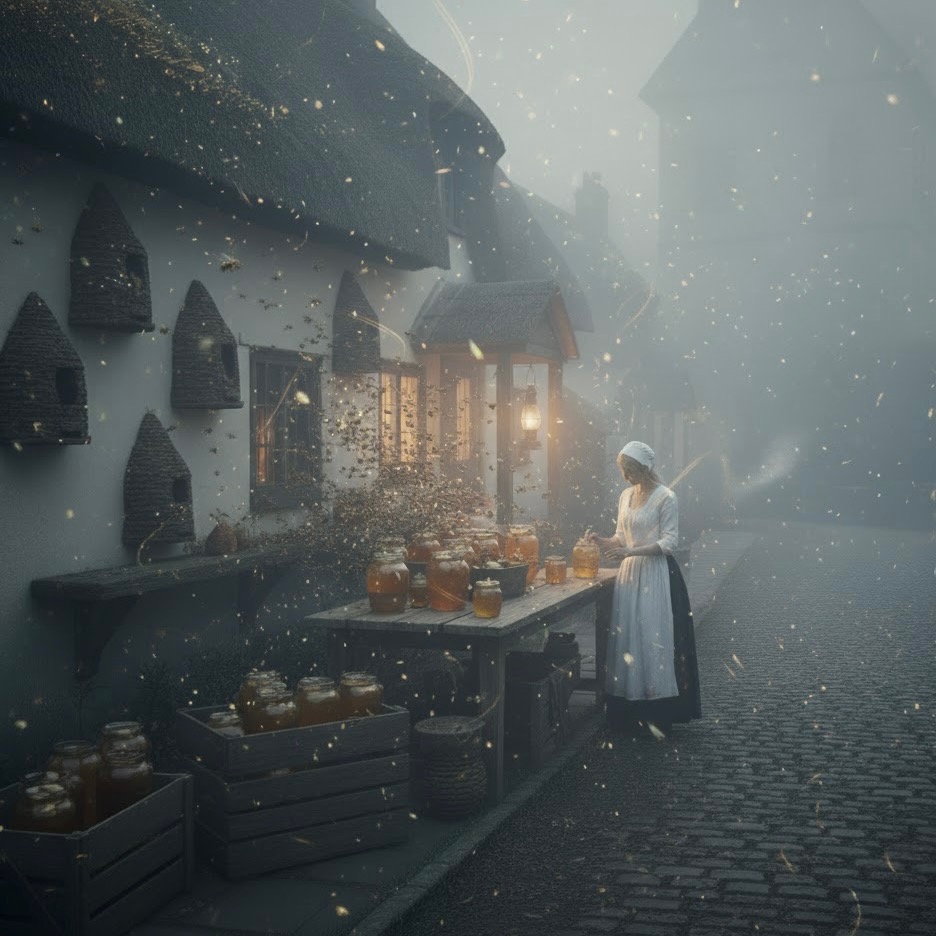
THE POISONED CITY: London's industrial landscape—a city choking on its own progress. Smoke stacks pierce the sky like monuments to commerce, while the streets below swarm with life unaware of the slow poison in the air. This is the world that demands perfection at any cost, where craftsmen like Malcolm are sacrificed daily to the gods of industry.
Final Visual

Key Visual Motifs

Hands

The film is obsessed with hands. Clara's hands: strong, capable, clean, creating life. Malcolm's hands: trembling, orange-stained, creating beauty and death. We cut between their hands constantly—milking, stirring, threading, trembling. By Act Three, their hands mirror each other—both trembling, both stained. Clara has become contaminated. The parallel is complete.
Hands at Work
HANDS OF CREATION AND DESTRUCTION: The film's obsession with hands—Clara's strong and capable, Malcolm's trembling and stained. Watch the constant cutting between their hands: milking, stirring, threading, trembling. By Act Three, the parallel is complete—both pairs of hands trembling, both stained orange. Clara has become contaminated, her hands now mirrors of Malcolm's poisoned touch.

White Cloth

White cloth is everywhere—Clara's linens, Malcolm's hat felt, bandages, shrouds. In Act One, the white is pristine. By Act Three, everything white is stained orange. Clara's apron. Malcolm's work cloth. The bandages she uses to treat his wounds. White cloth is purity, and the film watches purity become contamination.
White Cloth Detail
PURITY TO CONTAMINATION: White cloth serves as the film's central visual metaphor—pristine in Act One, progressively stained orange by Act Three. Clara's linens, Malcolm's work cloths, bandages, even shrouds—every piece of white fabric documents the mercury's spread. Watch as the pure white transforms into contaminated orange, mirroring the characters' journey from hope to tragedy.

Thresholds

Every time Clara crosses a threshold into Malcolm's workshop, we hold on the moment. Door frame. Window frame. The threshold between her clean world and his poisoned one. Each crossing is a choice. Each choice brings her closer to death. By Act Three, Clara hesitates at the threshold. She knows what's inside. She crosses anyway.
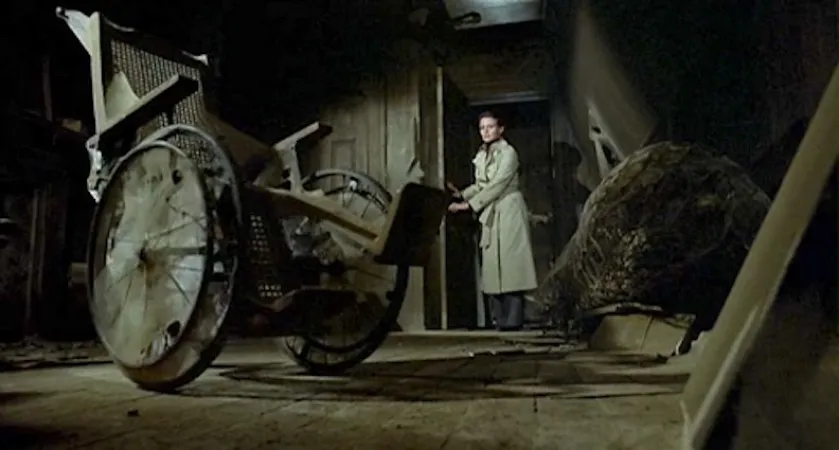
Room Pan of Threshold Space
CROSSING THE THRESHOLD: The doorway between worlds—Clara's clean, hopeful realm and Malcolm's contaminated workshop. Every crossing is a choice, a step closer to contamination. Notice the light differential: the warmth of the outside world fading into the dim, mercury-tinged atmosphere of the workshop. This visual motif repeats throughout the film, marking each moment Clara chooses love over survival.

Shared Intimacy in Decay

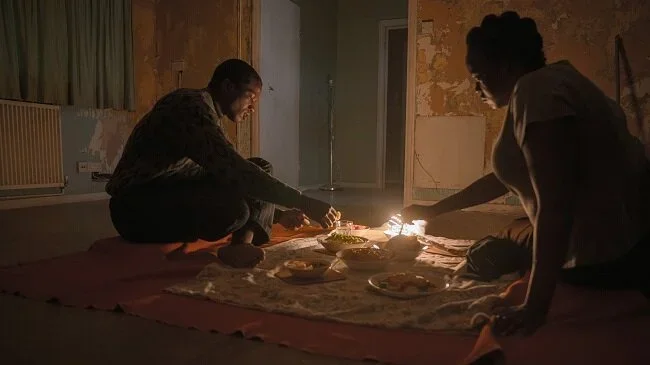
Shared Meal
CONNECTION IN CONTAMINATION: Two figures around a single candle in a decaying room. This is Act Two—Clara and Malcolm sharing a meal. The room is Malcolm's living space above the workshop, and it's falling apart. Peeling wallpaper, cracked plaster, dampness. But there's intimacy here. They're sitting together. Talking. Eating. For these brief moments, Malcolm is lucid. Clara is present. They're just two lonely people finding comfort in each other. And every breath Clara takes in this room is contamination. Their love is beautiful and doomed from the first moment.
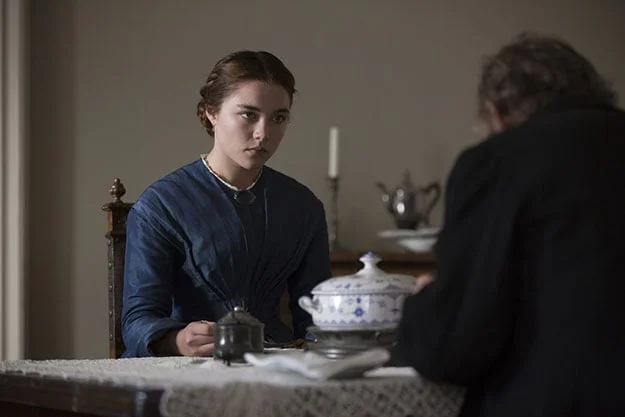
Table Scene
MOMENT OF CONNECTION: Clara across the table from Malcolm, candlelight between them. These are the scenes where contamination happens invisibly. They're not touching. Clara hasn't entered the workshop yet. But the mercury vapor is in the air. Every conversation is exposure. Every visit is accumulation. Clara doesn't understand this yet. By the time she does, it's too late.
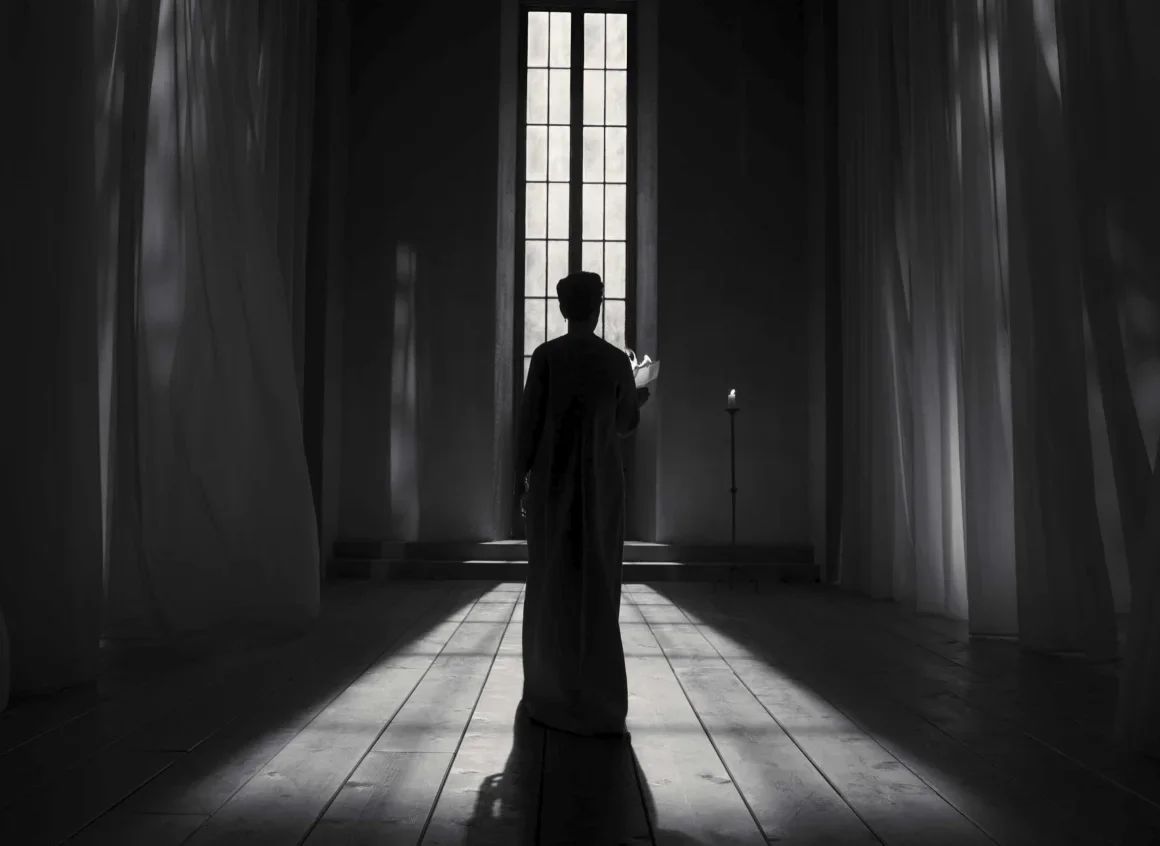
Gothic Interior
THE THRESHOLD BETWEEN WORLDS: Figure silhouetted against Gothic arched windows, interior darkness framing light. This is the visual language of the film—Clara standing at the boundary between her world and Malcolm's, light and dark, life and death. Every threshold crossed is irreversible. Every step into Malcolm's world is a step toward her own death. The Gothic architecture emphasizes the weight of these moments—these aren't casual decisions; they're fate, doom, tragedy in motion.

Why This Film Matters

This is not a film about the past. It's a film about now.
Every system that rewards production over people—every quiet compromise that keeps the machine running—that's the mercury. The Mercury Veil is a story of two people trapped inside an industrial tragedy, where care itself becomes contamination.
The mercury isn't just poison; it's the blindness that lets harm continue. It's the silence that keeps everything beautiful on the surface while everything underneath decays.
It's a love story that can't survive its own environment—a period tragedy that reflects the cost of perfection today.
Every breath in that workshop was death.
Every visit was contamination.
Every moment of love was a moment of poison.

And still, she came.
Tuesdays and Fridays.
With milk.
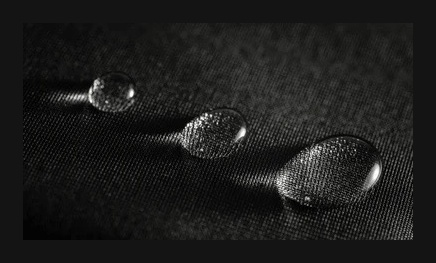
DRIP. DRIP. DRIP.

Contact

Ayla Demirci
AYLA DEMIRCI
Writer, Actress, Producer
WGA East Registration #I381100
Aylamahree@gmail.com
+1(615)485-5008
IMDB